

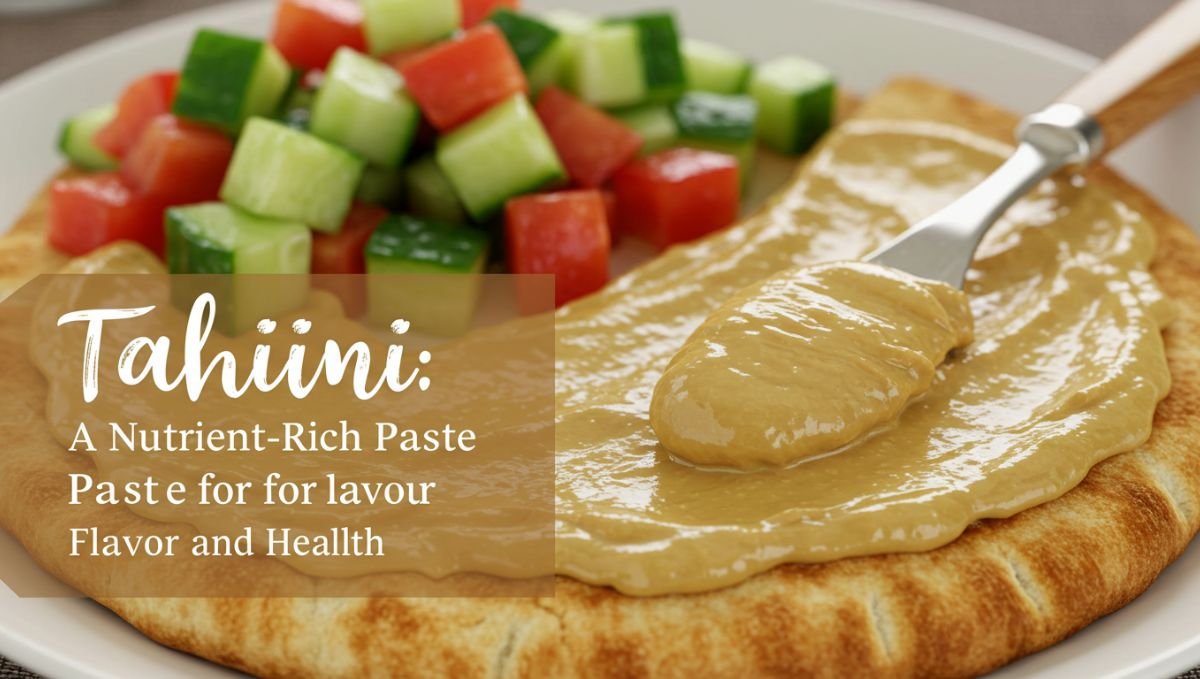
every delicacies has elements that feel like they bring reminiscences. Tahhiini is one of these components. It looks easy whilst you see it in a jar, but there is records, emotion, and background internal each spoonful. human beings frequently meet it via hummus or a drizzle over desserts, however the moment you flavor it, you may experience its depth. The easy texture, the nice and cozy roasted aroma, and the earthy sesame taste create a feel of consolation that feels acquainted, even if it’s your first time trying it.
Tahhiini has accompanied human beings across generations and borders. It became a part of regular meals, festive dishes, and even youth memories. Its creamy richness suits resultseasily into both traditional cooking and contemporary recipes. That’s why it remains cherished around the arena.
The Heart of Tahhiini: More Than Just Sesame Paste
Tahhiini, or tahini, starts offevolved with sesame seeds. Hulled seeds offer a moderate taste, even as unhulled seeds deliver a stronger flavor and a country side. each sorts reflect different traditions, and both inform their very own tale. What seems like a easy method clearly represents centuries of practice, refinement, and cultural pride.
Why Traditional Cooks Value It
- It provides intensity to savory dishes.
- It enriches cakes with natural creaminess.
- It blends without difficulty with spices and herbs.
- It includes flavors without dropping its personal identity.
every vicinity makes use of Tahhiini in its personal way. a few blend it into sauces. some use it in chocolates. some revel in it as a part of ordinary meals. everywhere it goes, it adapts—and yet stays genuine to itself.
Where Tahhiini Began
Sesame seeds had been cultivated for hundreds of years. historic regions like Mesopotamia, Persia, and Egypt grew them prolonged earlier than modern equipment existed. human beings determined that grinding roasted seeds created a paste that became flavorful, nutritious, and clean to keep. That paste subsequently have become what we recognise these days as Tahhiini.
How It Spread Through Trade and Travel
As merchants traveled, they carried sesame and Tahhiini with them. Over time, the paste found new homes:
- It became a sauce in some cultures.
- It turned into sweets in others.
- It became a daily staple in many households.
Every new land added something of its own, allowing Tahhiini to evolve while keeping its core identity.
How Tahhiini Is Made: A Simple Process With Careful Steps
Step 1: Choosing the Seeds
Hulled seeds provide a smoother flavor.
Unhulled seeds give a deeper, bolder taste.
Step 2: Roasting
Roasting develops aroma and richness.
- Light roast = gentle flavor
- Dark roast = strong nutty taste
Step 3: Grinding
Roasted seeds are ground into a clean, creamy paste. The aim is a silky texture without graininess. fine Tahhiini depends on balanced warmth and careful grinding so the herbal oils don’t burn.
Step 4: Storing
Pure Tahhiini needs no additives. The oils may rise to the top over time, but that’s a sign of natural production. A simple stir brings it back to perfect consistency.
The Natural Goodness Inside Tahhiini
Sesame seeds carry impressive nutrients, and Tahhiini preserves them completely.
What It Provides
- healthy fat
- Plant-based protein
- Calcium
- Iron
- Magnesium
- Antioxidants
Why It Matters
- Supports bone health
- Gives steady energy
- suits vegetarian and vegan diets
- Helps you feel full
- Works well in clean eating
A small spoonful offers satisfying flavor and meaningful nourishment.
Traditional Dishes That Reveal Tahhiini’s True Character
Across the Middle East and beyond, Tahhiini shapes the identity of many beloved foods.
Popular Savory Dishes
- Hummus: Tahhiini gives it its signature creaminess.
- Baba ghanoush: The smoky eggplant blends relatively with Tahhiini.
- Tahhiini sauce: a combination of lemon, garlic, and sesame that brightens grilled meals.
Sweet Uses
- Halva
- Pastries
- Cookies
- Bread spreads with honey or molasses
These dishes show how Tahhiini can be both bold and gentle at the same time.
Tahhiini in Modern Cooking
Today, Tahhiini is rediscovered in new ways. Chefs experiment with it in creative combinations that weren’t possible centuries ago.
Modern Ideas
- Smooth salad dressings
- Marinades
- Breakfast bowls
- Dairy-loose sauces
- Smoothies
- espresso drinks
- Pastry fillings
Its creamy texture and herbal taste make it a fave in plant-based totally cooking too. It replaces butter or cream without feeling heavy.
Choosing and Storing Tahhiini at Home
What to Look For
- Smooth texture
- Warm sesame aroma
- Few or no components
- A taste that fits your choice (mild or formidable)
Storage Tips
- Keep tightly sealed
- Stir before use
- Refrigerate after opening for longer freshness
- Expect natural oil separation—it is normal
FAQs
Does Tahhiini taste bitter?
it is able to be barely bitter, specially unhulled versions, however roasting balances the flavor.
Is Tahhiini healthy?
it can be barely bitter, mainly unhulled versions, but roasting balances the taste.
Can you use Tahhiini in desserts?
truly. It pairs well with chocolate, honey, and baked objects.
How long does it last?
Unopened jars final months. once opened, refrigerate and use within some weeks.
Why does it thicken in the fridge?
cold temperatures make the herbal oils firm up. let it take a seat at room temperature before the usage of.
Conclusion
Tahhiini is extra than a kitchen ingredient. it’s far a assembly factor of history, lifestyle, and taste. From historical roasting strategies to trendy recipes, it keeps to evolve without dropping its soul. whether or not you enjoy it in conventional dishes or blend it into something new, Tahhiini brings warmth and that means to each meal. It reminds us that simple substances can bring effective stories—and that some flavors live with us long after the spoon is empty.
